PMI (Poultry Multiplication Initiative)

Zambia, The Gambia, Sierra Leone, Nigeria, Tanzania, Zimbabwe / Improving Livelihoods, Capacity Building, Women's Empowerment

Since 2016, the World Poultry Foundation has been involved in the development and implementation of a unique program referred to as the African Poultry Multiplication Initiative.


Addressing Rural Poultry Production Challenges Globally: The Poultry Multiplication Initiative (PMI)*

Poultry is a key economic driver for rural communities, but several challenges limit smallholder farmers’ ability to succeed. Most farmers rely on inefficient indigenous breeds that are genetically less productive than local birds. Compounding this issue is the lack of production infrastructure, low quality poultry inputs, and adequate market systems. Many rural farmers also lack access to essential training, extension services, and technical support. Without robust vaccination programs, poultry diseases can further decimate their flocks, significantly impacting their ability to sustain poultry enterprises. Lastly, farmers often lack foundational business and poultry management skills.

*The PMI program was originally known as the African Poultry Multiplication Initiative (APMI). As our reach has expanded beyond Africa, we’ve adopted a new name that better reflects the program’s broader scope and global impact.
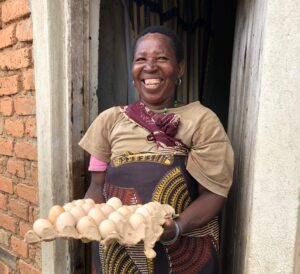
Profitability

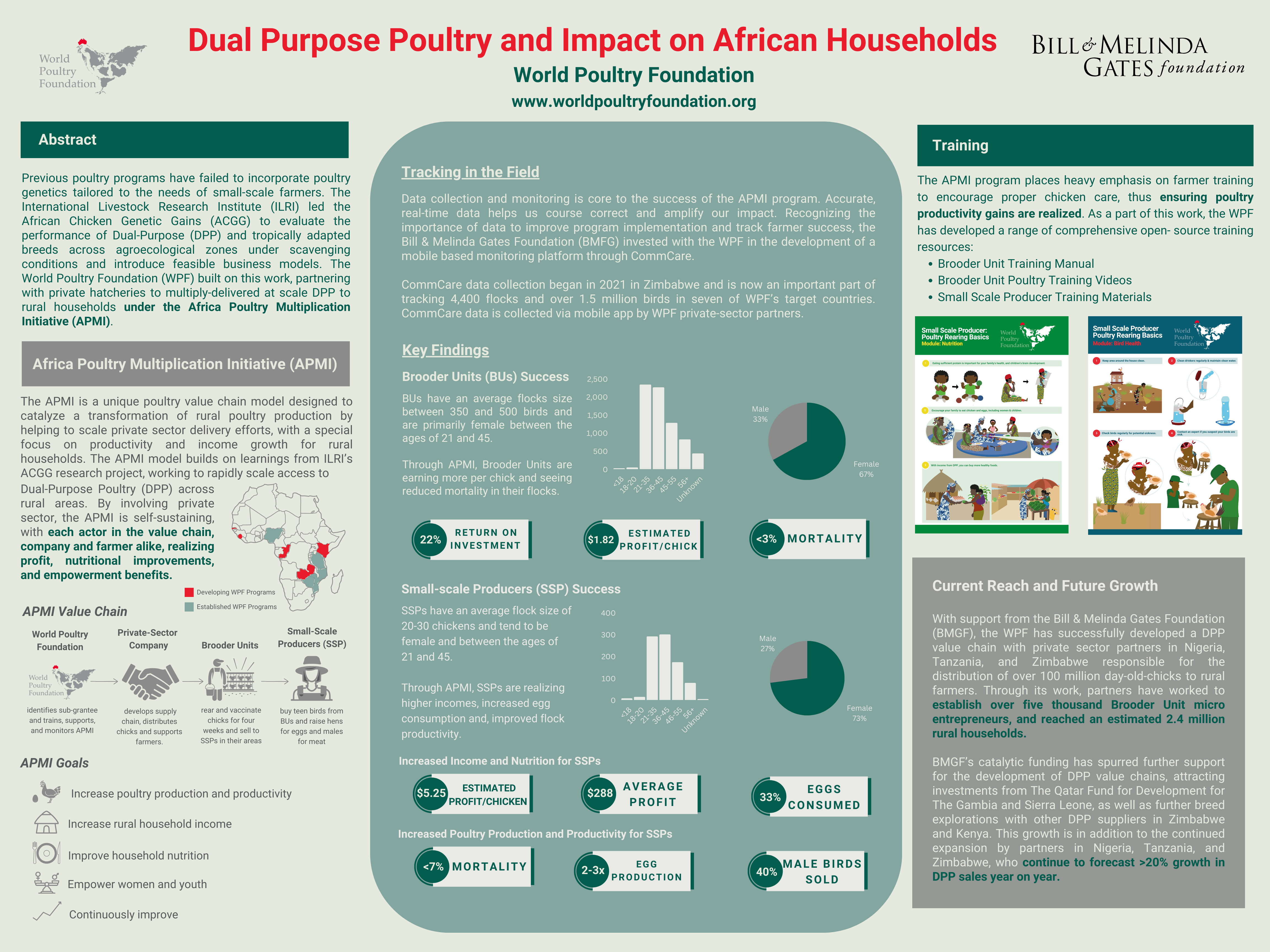
The Poultry Multiplication Initiative (PMI) addresses these challenges by working with private sector partners to improve rural access to dual-purpose poultry (DPP) breeds, poultry inputs, and training opportunities. Through partnerships with private-sector companies, the initiative strengthens the entire poultry value chain, ensuring that all participants, from hatcheries, to Brooder Units, to small-scale farmers, profit. PMI aims to increase small-scale farmer productivity by at least 200%. 

Sustainable Development

This initiative ensures that farmers receive well-brooded, properly fed, and vaccinated birds, leading to increased production and profitability from the onset. By establishing a profitable supply chain, where no birds are given away or subsidized, and ensuring all participants in the value chain—from breeders to small-scale producers—realize profit, this market-driven approach ensures the program’s sustainability long after donor funding ends.

To date, the PMI program has been implemented in

Increase poultry production and productivity
Five Goals of PMI
Increase rural household income
Improve household nutrition
Empower women
Continuously improve


Women, Youth and Nutrition

A significant focus of PMI is on empowering women and youth, particularly in rural areas, by providing them with the tools and resources they need to manage poultry businesses. Through proper training, extension services, and access to vaccinated day-old chicks, feed, and other inputs, women can play a larger role in decision-making within households, improving their economic status and enhancing gender parity and youth have improved access to productive and profitable employment opportunities.

By increasing poultry production and productivity, improving household nutrition, and ensuring long-term profitability for small-scale producers, PMI plays a vital role in transforming rural economies. Its holistic model also includes rigorous data collection to monitor progress and ensure continual improvement, positioning it as a catalyst for growth in rural poultry production in each target country.