Addressing the Bushmeat Trade in Northern Republic of Congo
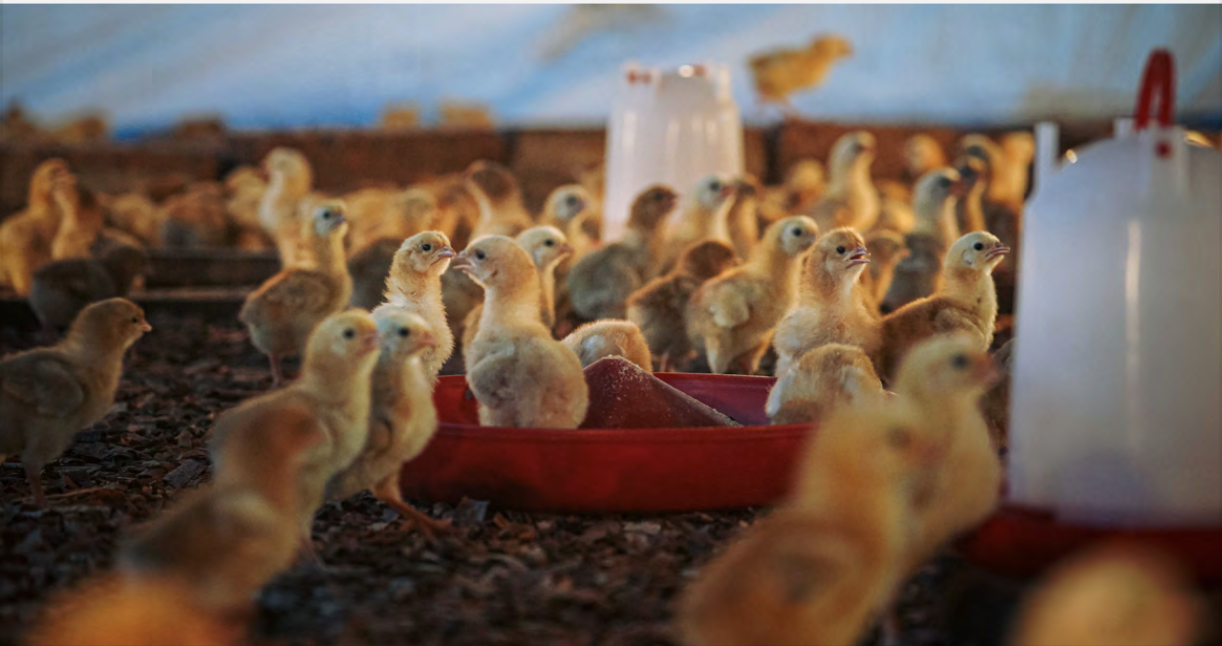
The forests of Northern Congo face a growing threat from unsustainable bushmeat harvesting, driven by rising demand for affordable protein in peri-urban areas. To address this, the Wildlife Conservation Society (WCS), with support from USAID and the government of the Republic of Congo (RoC), launched the “Conserving the Biodiversity of Northern Congo by Diversifying the Livelihoods of Bushmeat Value Chain Agents and Increasing Poultry Production,” a pilot program to diversify livelihoods, testing which avenues provide the most sustainable and impactful outcomes. One of these avenues was the development of a dual-purpose poultry (DPP) value chain.
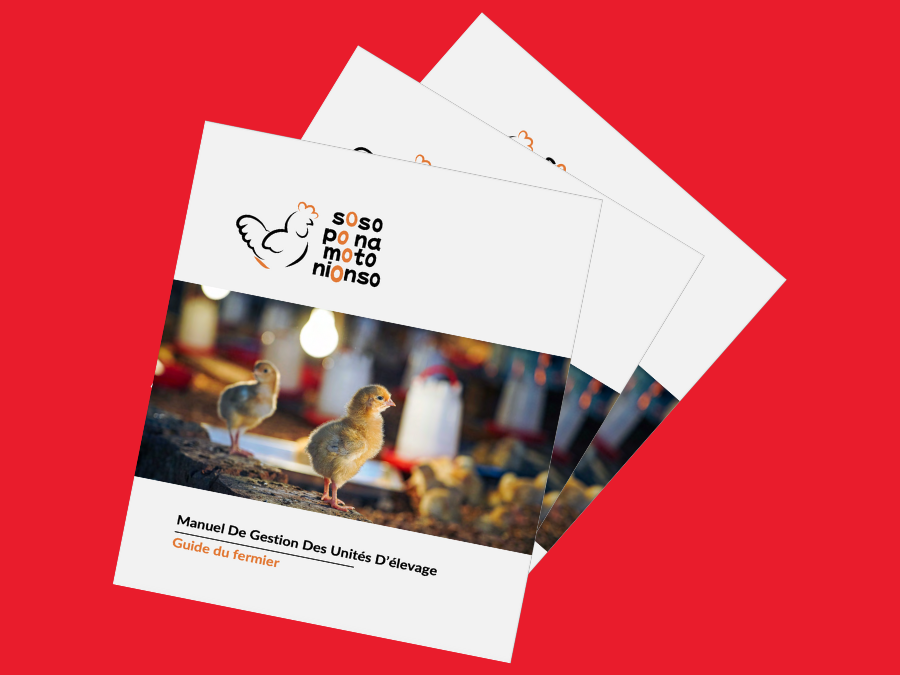
The Manual for Livestock Farm Management (Manuel De Gestion Des Unités D’élevage) was produced as part of the program to support production of DPP birds in RoC.
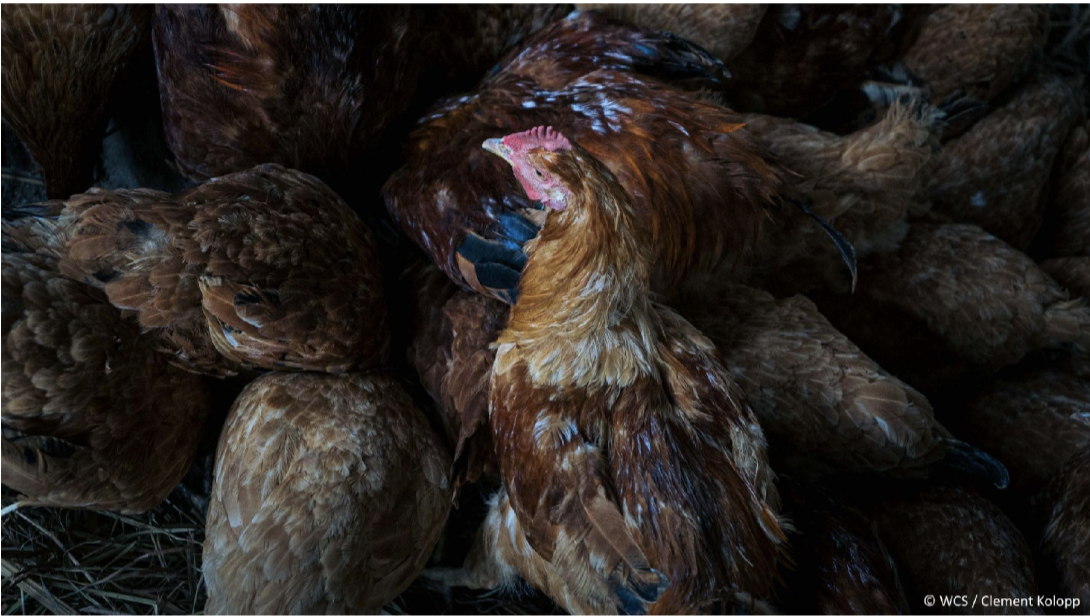
The World Poultry Foundation (WPF) partnered with WCS to adapt the Poultry Multiplication Initiative (PMI) to Northern Congo. Following a feasibility study, WPF supported WCS in identifying key value chain stakeholders, overcoming production challenges, and exploring strategies to monitor and scale value chain activities. At the heart of this effort is the introduction of improved DPP, chosen for their ability to produce both eggs and meat while requiring minimal veterinary care and feed.