Training Programs on Health, Nutrition, and Poultry Management for Rural Poultry Producers
Ghanaian poultry farmers, particularly women, face significant challenges in expanding their businesses due to limited access to financial resources and a lack of knowledge in business planning. This hinders their ability to develop comprehensive business plans necessary for securing financing from financial institutions, investors, or donors.
To address these challenges, the World Poultry Foundation (WPF) and the Ghana Apex Body of Women in Poultry Chain, coordinated specialized training for 80 women poultry farmers from three regions in Ghana, focusing on operational financial management and business planning. The purpose of this training was to equip them with essential tools and techniques to enhance their financial skills and empower them to take charge of their financial futures and drive their poultry businesses toward growth and sustainability. The training emphasized practical applications, helping participants develop business plans for their own poultry businesses and preparing them to seek funding from various financial sources.
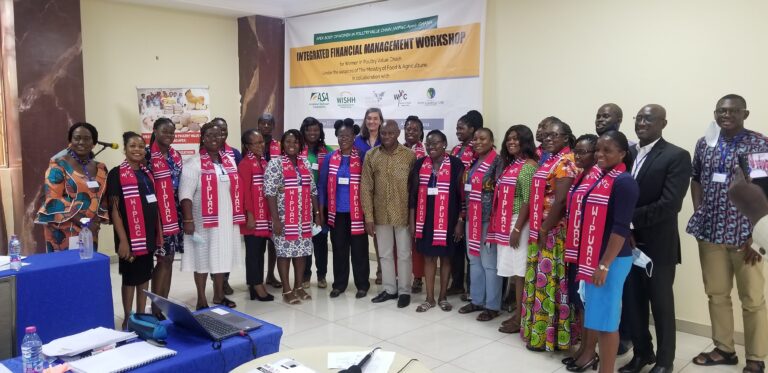
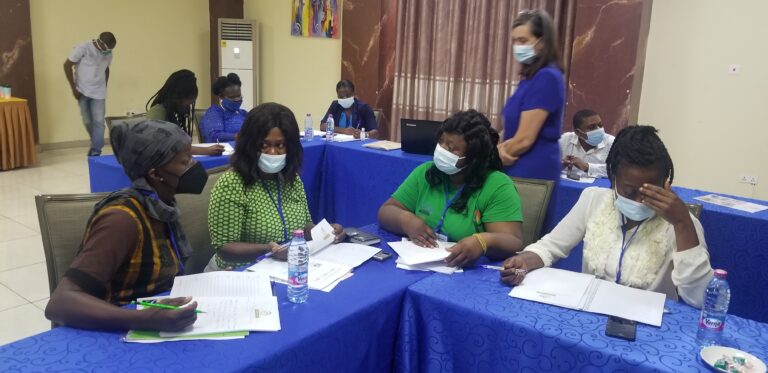
In collaboration with the Ghana National Association of Poultry Farmers (GNAPF), the Ghana Ministry of Food and Agriculture, and the University of Georgia, aimed to implement ongoing train-the-trainer programs focused on health, nutrition, and poultry management for rural poultry producers. Regional poultry association chapters nominated two producers from each region to participate in week-long training sessions. These trained producers then utilized the knowledge gained, along with presentations and training materials, to educate their fellow members within their respective associations.
As part of these initiatives, WPF also sponsored a week of intensive training at the University of Georgia for the Deputy Director of Veterinary Services in Ghana. Following this training, the University returned to Ghana to assess the effectiveness of knowledge transfer from those trained to other poultry producers in their regions. Additionally, a comprehensive production workbook and self-evaluation tool was developed to help trained individuals better inform and support their fellow poultry farmers.